New Zealand looks incredible year-round, but when you visit can completely change your experience. From snow-capped mountains to coastal summer days, each season brings its own highlights, weather patterns, and travel opportunities.
This post may contain affiliate links. If you make a purchase through one of these links, we may earn a small commission at no additional cost to you. As an Amazon Associate, we earn from qualifying purchases.
This guide breaks down 11 seasonal highlights to help you decide the best time to plan your trip — whether you’re chasing wildflowers, ski season, fewer crowds, or long sunny days.
11 Seasonal Highlights to Plan Your New Zealand Trip
1. Summer Beach Days (December–February)
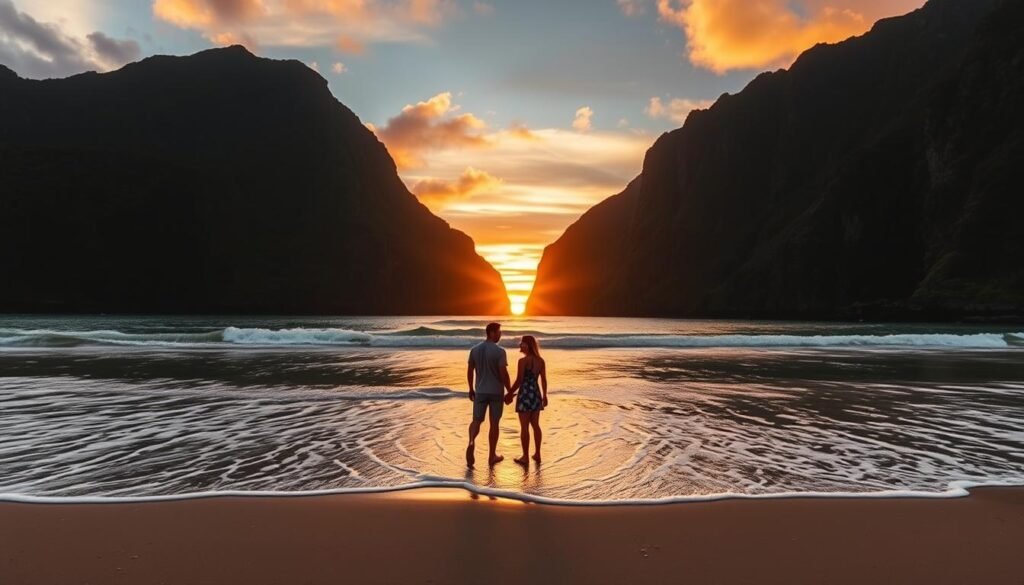
New Zealand really shows off in summer. This is when beach towns come alive, coastal roads feel irresistible, and daylight stretches late into the evening. It’s the season for swimming, kayaking, snorkeling, and those long, unplanned days where you end up staying out longer than expected because the sun just won’t quit.
Popular beach areas can get busy, especially around school holidays, but the upside is warm temperatures and reliable weather. If you love ocean views, picnic lunches by the water, and easygoing travel days, summer is hard to beat.
Good to know:
This season is best for beach lovers and first-time visitors who want classic postcard weather. Plan extra time in popular coastal spots and book accommodations early if you’re traveling in January.
2. Peak Hiking Season (January–March)
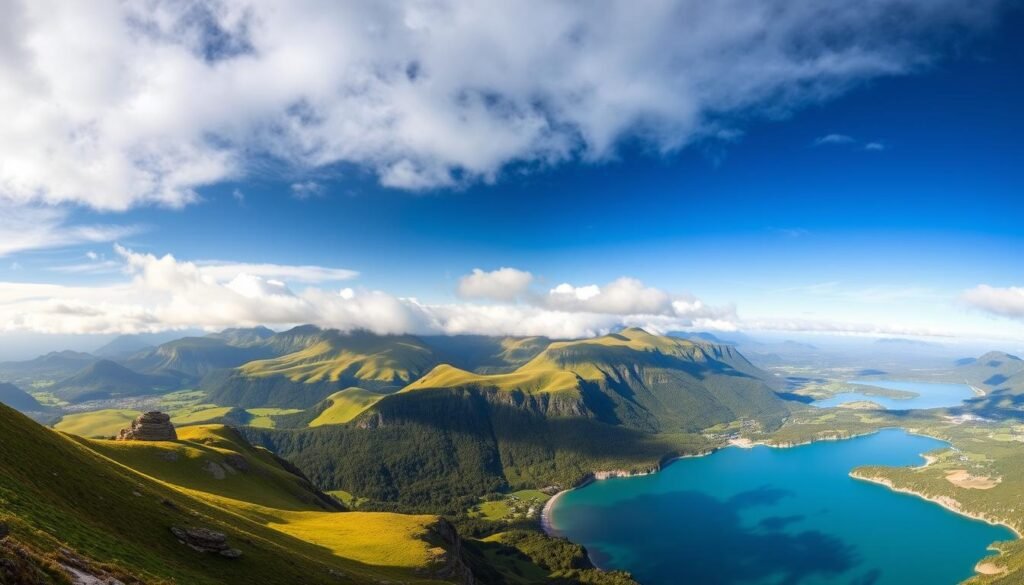
New Zealand is especially appealing for hiking from late summer into early autumn. Trails are typically clear, alpine routes are more accessible, and weather conditions are more stable compared to other times of year. This makes it easier to plan both short scenic walks and longer multi-day hikes.
National parks are at their most reliable during this period, with fewer closures due to snow or severe weather. Longer daylight hours also give hikers more flexibility, which is helpful if you prefer a slower pace or want to stop often for views and photos.
Planning note:
This season suits travelers who enjoy active days outdoors. Popular trails can be busy, so planning helps, and it’s still important to pack layers since temperatures can change quickly at higher elevations.
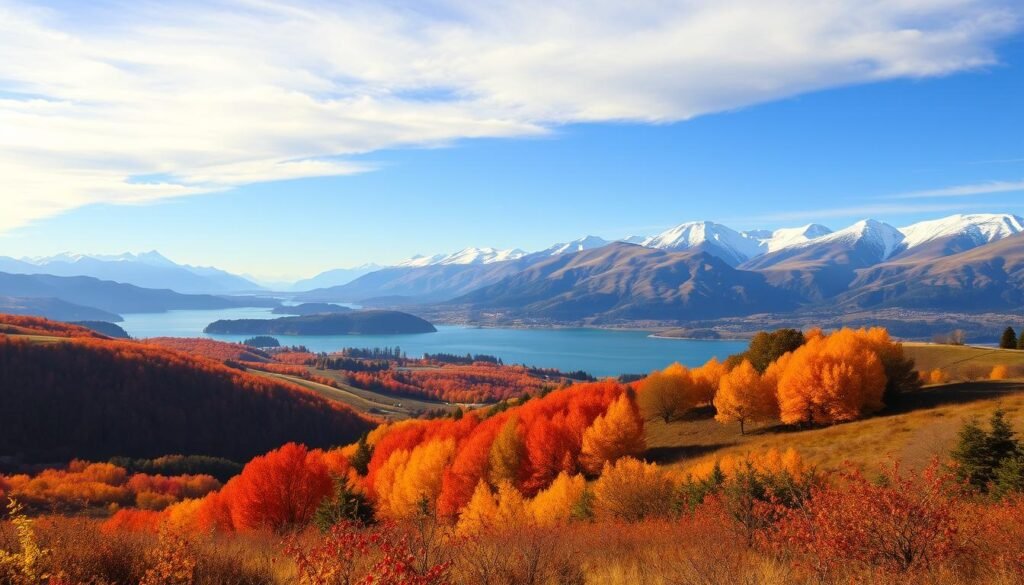
3. Autumn Colors and Fewer Crowds (March–May)
New Zealand starts to feel noticeably calmer in autumn. The weather cools down, summer crowds thin out, and landscapes shift into warmer tones, especially in regions with lakes, vineyards, and tree-lined roads. It’s a great time to slow the pace and enjoy scenic drives, outdoor cafés, and nature without feeling rushed.
Autumn also brings more comfortable temperatures for exploring cities and walking trails without the intensity of summer heat. You’ll still get plenty of clear days, but with a quieter atmosphere that makes travel feel more relaxed overall.
Timing insight:
Autumn works well for travelers who prefer fewer crowds and flexible plans. Layers are helpful this time of year, especially in the evenings, and it’s a solid season for combining outdoor activities with sightseeing and food-focused stops.
4. Harvest and Wine Season (March–April)
New Zealand settles into harvest season in early autumn, and this is when wine regions are especially active. Vineyards are busy, the scenery is at its best, and many areas feel lively without the peak summer crowds. Even if you’re not planning a full wine-focused trip, this season adds a nice backdrop to road trips and countryside stays.
The weather is usually mild, making it comfortable to spend time outdoors, whether that’s visiting vineyards, stopping at local markets, or enjoying long lunches with views over the vines. It’s a relaxed, unhurried time to explore regions that can feel much busier later in the year.
Travel note:
This period is ideal for travelers who enjoy slower days and scenic drives. Booking tastings or accommodations ahead of time is helpful, especially on weekends, but overall, the pace feels calm and manageable.
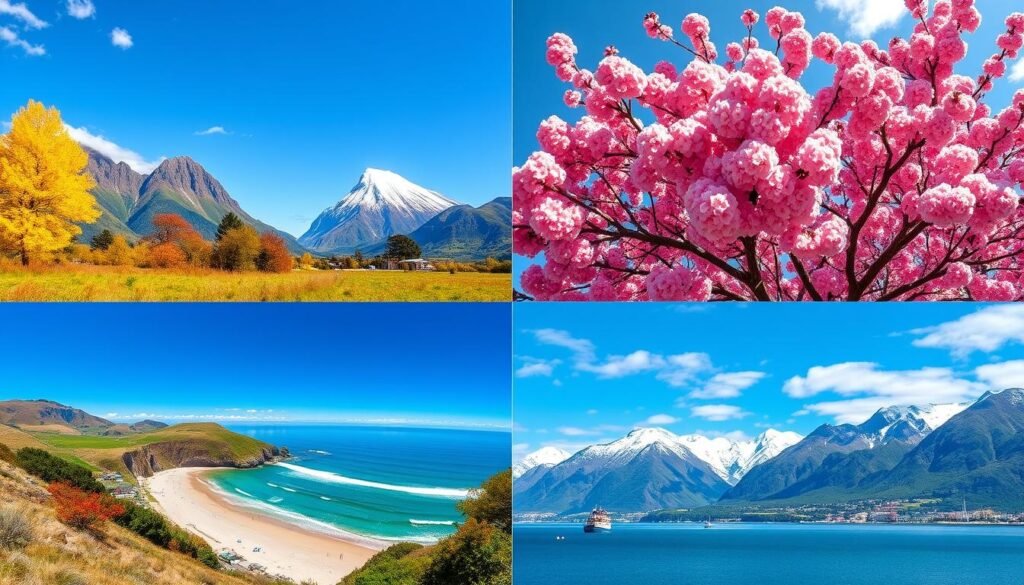
5. Winter Adventures and Snowy Landscapes (June–August)
Winter brings a completely different side of New Zealand, especially in the South Island. Snow settles into alpine regions, mountain towns take on a cozy feel, and the winter sports season kicks off. Even if skiing or snowboarding isn’t on your list, the crisp air and snow-capped scenery make this a memorable time to travel.
Cities and lower elevation areas tend to stay mild compared to many other countries, so it’s easy to mix winter activities with sightseeing, food stops, and scenic drives. You can spend one day enjoying mountain views and the next warming up in cafés or thermal pools.
Season snapshot:
Winter is best for travelers who enjoy quieter travel periods and don’t mind cooler temperatures. Allow extra time for mountain travel, as weather can affect driving conditions, and plan flexible days if you’re heading into alpine areas.
6. Whale Watching and Marine Life Encounters (July–October)
Late winter into early spring is one of the best times to experience New Zealand’s marine life. As ocean temperatures shift, whales migrate along the coast, and dolphin sightings become more common in several regions. It’s one of those experiences that feels special without needing to plan your entire trip around it.
What makes this season appealing is that you don’t have to be a hardcore wildlife traveler to enjoy it. Many coastal towns offer short boat tours, scenic lookouts, or even shoreline viewing spots where you can keep an eye out while going about your day. Seeing a whale breach or dolphins swimming alongside a boat tends to be a highlight people talk about long after the trip ends.
Season snapshot:
This period is great for nature lovers and curious first-time visitors. Plan a half day if you’re joining a tour, and dress warmly since time on the water can feel colder than on land.
7. Spring Blooms and Shoulder Season Travel (September–November)
Spring is when New Zealand starts to wake up again. The countryside turns bright green, flowers pop up everywhere, and you’ll start seeing lambs in open fields as you drive between towns. It feels lighter, calmer, and a lot less rushed than peak summer.
This time of year is great for road trips and outdoor exploring without dealing with heavy crowds. Waterfalls are flowing from winter snowmelt, coastal walks are comfortable, and popular viewpoints are easier to enjoy without feeling packed. It’s also a nice window for travelers who want decent availability and slightly lower prices while still getting good weather days.
Spring suits travelers who like a relaxed pace and don’t mind packing layers. It’s an easy season to mix short hikes, scenic drives, gardens, and city stops without overplanning.
8. Wildflower Season and Scenic Road Trips (October–November)
Late spring is when road trips really shine. Wildflowers start popping up along highways, hillsides look freshly painted, and long stretches of countryside feel especially scenic. It’s one of those times where the drive itself becomes part of the experience, not just the way to get somewhere.
This season is ideal for slow travel. You can pull over for photo stops, short walks, or roadside cafés without feeling rushed. The weather is generally mild, and daylight hours are long enough to explore without packing every moment of the day. It’s also a great time to explore less talked about regions that don’t always get the summer spotlight.
If you enjoy scenic drives, spontaneous stops, and traveling at your own pace, this window is hard to beat.
9. Early Summer Energy Without the Peak Crowds (Late November–Early December)
Early summer is a bit of a sweet spot. The weather starts to feel reliably warm, beaches become inviting again, and towns pick up a lively buzz — but you’re not quite in full holiday chaos yet. It’s that brief window where everything feels open and active without being overwhelming.
This is a great time for mixing outdoor plans with city exploring. You can spend mornings at the beach, afternoons wandering local markets or waterfronts, and still find dinner reservations without too much trouble. Popular destinations feel busy enough to be fun, not stressful.
If you like the idea of summer travel but prefer beating the true peak season, late November and early December offer that balance where New Zealand feels energetic but still easy to enjoy.
10. Festival Season and Longer Days (December)
December brings a noticeable shift in energy. Days stretch longer, evenings feel warmer, and many towns start leaning into outdoor events and summer festivals. Even if you’re not planning around a specific event, there’s a general sense that everything stays open later and feels more social.
It’s an easy time to enjoy coastal walks, waterfront dining, and sunset activities without rushing. Cafés and markets feel livelier, and popular areas start to feel festive without yet tipping into full holiday congestion, especially in the earlier part of the month.
December works well for travelers who enjoy a bit of buzz and don’t mind sharing popular spots, as long as there’s still room to slow down and enjoy long summer evenings.
11. Classic Summer Adventures and Long Holiday Days (Late December–February)
This is peak New Zealand summer, when everything people imagine about the country really comes to life. Beaches are busy, hiking trails are in full swing, and coastal towns feel like they’re running on sunshine and ice cream. School holidays and public breaks mean popular spots can get crowded, but the atmosphere is energetic and fun.
It’s the best time for iconic summer activities like swimming, kayaking, scenic boat trips, and outdoor dining that stretches late into the evening. Daylight lasts well into the night, making it easier to fit more into each day without feeling rushed.
Summer suits travelers who don’t mind sharing space and want to experience New Zealand at its most vibrant. With a little planning and early starts, it’s still easy to enjoy the highlights while soaking up that classic summer feeling.
Final Thoughts
New Zealand doesn’t have just one “best” time to visit — it really depends on the kind of experience you’re looking for. Some seasons shine for quiet road trips and wide-open landscapes, while others are all about energy, long days, and classic outdoor adventures.
By thinking about what matters most to you — fewer crowds, better weather, seasonal events, or flexible travel — you can match your trip to the time of year that fits your style. No matter when you go, New Zealand’s scenery, small towns, and outdoor culture tend to show up in a big way.
A little seasonal planning goes a long way here. Choose the timing that works for you, leave room to explore at your own pace, and you’ll get a trip that feels less rushed and more memorable.
SHARE THIS ON PINTEREST