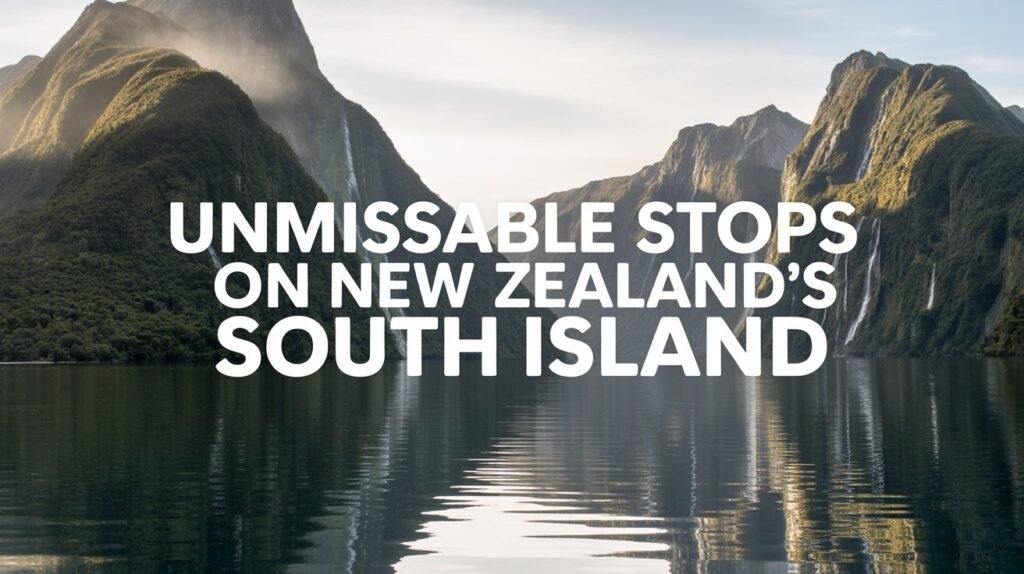
Planning a trip to New Zealand’s South Island can feel overwhelming — especially when nearly every stop looks like it belongs on a postcard. While researching and planning itineraries for the South Island, I kept seeing the same must-visit places come up again and again, along with a few lesser-known stops that travelers say ended up being unexpected highlights.
This post may contain affiliate links. If you make a purchase through one of these links, we may earn a small commission at no additional cost to you. As an Amazon Associate, we earn from qualifying purchases.
This guide brings together 20 unmissable stops on New Zealand’s South Island, focusing on the places that consistently stand out for scenery, experiences, and overall wow factor. Whether you’re visiting for the first time or trying to decide what’s truly worth prioritizing, this list is designed to make planning easier and help you build an itinerary you won’t regret.
Where Is New Zealand’s South Island, & Why Visit?
If you’re the kind of traveler who plans a trip around views instead of cities, New Zealand’s South Island is your place.
The South Island sits below the North Island of New Zealand, separated by the Cook Strait, and it’s where the landscapes go big. Really big. Think long, empty highways cutting through mountain ranges, lakes so blue they don’t look real, and towns that feel more like basecamps than destinations. Most trips start in Christchurch or Queenstown, but once you leave the city limits, it’s all about the drive.
Compared to the North Island, the South Island is less urban, more wild. You won’t find bubbling mud pools or big-city energy here, but you will find the Southern Alps, glacier valleys, fjords, and stretches of road where you might drive an hour without seeing another car. It’s quieter, more remote, and built for travelers who want nature to do the talking.
This island is perfect if your travel style looks like:
- Scenic road trips where the drive is the attraction
- Hiking and outdoor adventures without needing technical skills
- Adrenaline activities like bungee jumping, jet boating, and skydiving
- Photography-heavy itineraries where every stop feels unreal
If you’re traveling on a budget, the South Island also delivers. Many of its best experiences, lookouts, short hikes, lakes, and scenic stops, are completely free. Add a rental car or campervan, and you’ve got one of the most rewarding road trips in the world without needing a luxury budget.
In short: if you want fewer crowds, bigger scenery, and days that revolve around the next jaw-dropping view, the South Island is exactly where you should be.
Best Time to Visit New Zealand’s South Island
The good news about visiting New Zealand’s South Island is that there really isn’t a bad time to go. The best time depends on what you want to see, how much you want to spend, and how many other travelers you’re willing to share the road with.
Summer, from December to February, is peak season, and for good reason. Days are long, the weather is generally warm and stable, and almost every hiking trail, mountain road, and scenic viewpoint is accessible. This is the best time for first-time visitors, but it also comes with higher prices for accommodation, rental cars, and campervans. Popular places like Queenstown, Milford Sound, and Lake Tekapo feel busy, especially around Christmas and New Year.
The shoulder seasons in March to May and September to November are the sweet spot for most travelers, especially if you’re trying to balance good weather with a smaller budget. Crowds thin out, prices drop, and the scenery stays incredible. Autumn brings golden colors around Queenstown and Arrowtown, while spring delivers wildflowers and snow-capped peaks without full winter conditions. If you want flexibility, easier bookings, and fewer people at viewpoints, this is the best time to visit.
Winter from June to August turns the South Island into an alpine playground. Snow covers the mountains, ski fields open around Queenstown and Wanaka, and the landscapes feel quieter and more dramatic. Travel is cheaper outside of ski towns, but some high-altitude roads and hikes can be limited by snow and ice. If skiing, snowboarding, or cozy mountain towns are your priorities, winter is a great option as long as you’re comfortable planning around the weather.
Overall, shoulder season offers the best value and balance, summer is ideal for maximizing access and outdoor activities, and winter is perfect for snow lovers who don’t mind adapting their plans.
How to Get to the South Island
Getting to New Zealand’s South Island is straightforward, and for most travelers it comes down to whether you want to fly straight into the scenery or ease in by ferry.
Flying into Christchurch or Queenstown
The easiest option is flying directly into the South Island. Christchurch is the most common entry point and typically the most affordable. It’s well connected to international routes and makes a great starting point for a classic road trip across the island. If you’re planning a loop or heading north toward Abel Tasman, Christchurch is the most practical choice.
Flying into Queenstown drops you straight into the mountains. Flights here are often more expensive, and weather delays do happen, but the payoff is immediate. If adventure sports, alpine scenery, and a shorter trip are your priorities, Queenstown is hard to beat.
Ferries from the North Island
If you’re already traveling through the North Island, taking the ferry is part of the experience. The crossing runs between Wellington and Picton, cutting through the Cook Strait and into the Marlborough Sounds. It’s one of the most scenic ferry rides in the world and allows you to bring your car or campervan with you, which can save money if you’re doing a long road trip.
Tips for Booking Flights and Campervans
Book flights as early as possible if you’re traveling in summer or around school holidays. Prices climb quickly, especially in Queenstown. If you’re flexible, flying into Christchurch and out of Queenstown or vice versa often saves time and makes your route more efficient.
For campervans and rental cars, early booking is even more important than flights. Vehicles sell out fast during peak season, and last-minute options are usually limited and expensive. Traveling in shoulder season gives you more choice, better prices, and fewer compromises. If you’re on a budget, smaller self-contained vans or basic cars paired with holiday parks can be significantly cheaper than full-sized campervans.
In short, fly if you want speed and simplicity, take the ferry if you’re already on the North Island and want the full road trip experience.
Getting Around the South Island
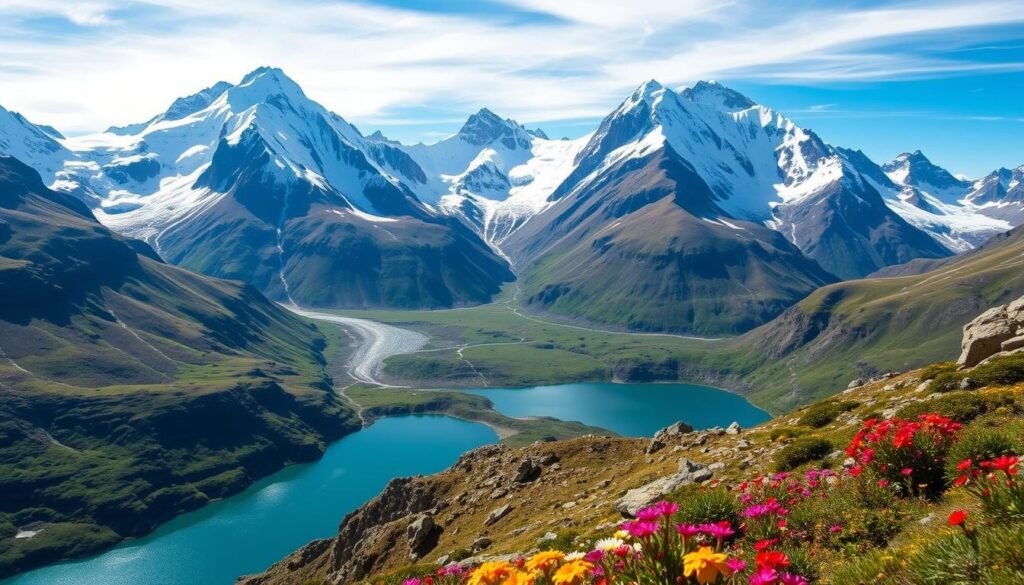
If there’s one thing to know about the South Island, it’s this: public transport won’t get you to the best places. The real highlights are spread out, often far from towns, and the freedom to stop whenever the view gets good is half the experience. That’s why a rental car or campervan is easily the best way to get around.
Why a Rental Car or Campervan Is Best
Driving gives you total control over your itinerary. You can chase good weather, pull over at random lookouts, and adjust your pace without worrying about schedules. Campervans are especially popular for budget travelers because they double as transport and accommodation, and New Zealand is well set up with holiday parks, DOC campsites, and freedom camping areas. A standard rental car works just as well if you prefer staying in hostels, motels, or lodges.
Typical Driving Times and Road Conditions
Distances on the map look short, but driving takes longer than you might expect. Roads are often narrow, winding, and incredibly scenic, which naturally slows things down. A two-hour drive can easily turn into half a day once you factor in photo stops, short walks, and food breaks. Mountain passes like Arthur’s Pass or the Milford Road are fully paved and well-maintained, but they demand patience and attention, especially in winter.
Fuel, Safety, and Scenic Stop Tips
Fuel stations can be surprisingly far apart in rural areas, so it’s smart to top up whenever you see one, especially on the West Coast or before heading into national parks. Driving is on the left, speeds are strictly enforced, and the weather can change quickly in alpine regions. Always check conditions before long drives and avoid rushing after dark, when wildlife is more active.
Most importantly, plan fewer stops than you think you need. The South Island rewards slow travel. Some of the best moments happen between destinations, when you pull over for an unplanned lake, waterfall, or viewpoint that never made it onto your itinerary.
Northern South Island
The northern edge of the South Island is where the trip slows down in the best way. This region is all about coastal scenery, short hikes, calm water, and easygoing towns that make great first or last stops on a South Island road trip.
Picton
Picton is the gateway to the South Island if you’re arriving by ferry from the North Island, but it’s more than just a transit stop. The small harbor town sits right on the edge of the Marlborough Sounds and is a great place to recover from the crossing, stock up on supplies, or spend a night before hitting the road. Everything is walkable, and the waterfront is perfect for an easy evening stroll.
Marlborough Sounds
The Marlborough Sounds feel worlds away from the rest of the island. Think drowned valleys, quiet coves, and deep blue water stretching in every direction. This is one of the best places in the South Island for kayaking, short coastal hikes, and scenic viewpoints without big crowds. You don’t need a long itinerary here either. Even a half-day trip out on the water delivers a huge payoff.
Abel Tasman National Park
Abel Tasman is famous for its golden beaches, clear water, and one of the easiest and most rewarding coastal walks in the country. It’s ideal if you want classic New Zealand scenery without technical hiking. Budget travelers love this park because you can mix walking with water taxis, camp near the beach, or visit on a simple day trip from nearby towns. It’s relaxed, sunny, and feels completely different from the alpine South Island farther south.
Nelson
Nelson makes a great base for exploring the region and has a creative, laid-back vibe that’s easy to like. The town is known for local art, craft markets, good coffee, and a surprisingly strong food scene. Accommodation options here tend to be more affordable than in major tourist hubs, making it a smart stop if you want comfort without blowing your budget.
The Northern South Island is perfect for easing into your road trip or winding down at the end, with beautiful scenery that doesn’t require long drives or intense planning.
West Coast Highlights
The West Coast is raw, moody, and a little unpredictable, and that’s exactly the appeal. Rain is common, weather changes fast, and the landscapes feel untamed compared to the rest of the South Island. If you’re chasing dramatic scenery and fewer crowds, this stretch delivers in a big way.
Punakaiki Pancake Rocks
The Pancake Rocks are one of the easiest wow stops on the West Coast. The layered limestone formations look unreal, especially during high tide when waves crash through the blowholes. It’s a short, flat walk from the parking lot, making it perfect even if you’re short on time. This is a classic roadside stop that punches well above its weight.
Hokitika Gorge
Hokitika Gorge is famous for its almost neon blue water, and yes, it really looks like that in person. A short walk leads to swing bridges and viewpoints over the river, making it an easy add to a West Coast drive. It’s free, quick to visit, and one of the most photogenic spots in the region.
Franz Josef Glacier
Franz Josef is the most well-known glacier town on the West Coast and offers several ways to experience the ice. You can do short glacier valley walks on your own or splurge on a guided heli hike for a closer look. Even if you don’t step onto the ice, the surrounding rainforest and mountain scenery make this stop worthwhile.
Fox Glacier
Just down the road, Fox Glacier offers a quieter and more relaxed alternative. The valley walk here is equally scenic, and the town tends to feel less crowded than Franz Josef. If you prefer a slower pace or are traveling in peak season, Fox is often the better choice for an overnight stop.
The West Coast rewards travelers who go with the flow. Build in extra time, stay flexible with the weather, and you’ll be rewarded with some of the most dramatic landscapes on the entire island.
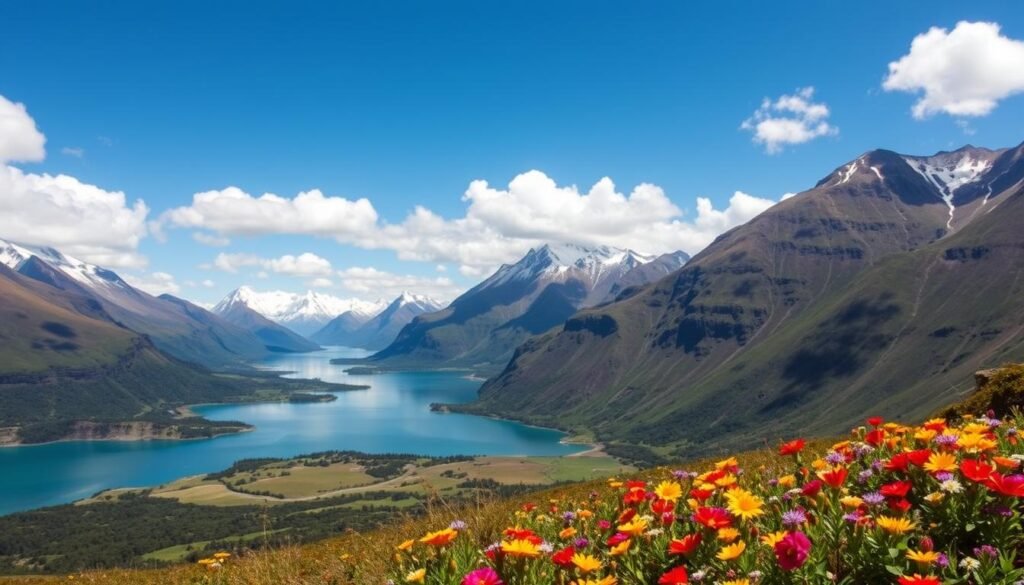
Southern Alps & Lakes
This is the part of the South Island that people imagine when they think about New Zealand. Huge mountains, unreal lake colors, and scenery that makes you pull over every ten minutes. If you’re short on time, this region alone justifies the trip.
Lake Matheson
Lake Matheson is famous for its mirror-like reflections of the Southern Alps on a calm day, especially at sunrise. The walk around the lake is short, flat, and easy, making it one of the best low-effort stops in the South Island. Early mornings are worth it here, both for the reflections and the lack of crowds.
Aoraki / Mount Cook National Park
Mount Cook National Park is the heart of the Southern Alps and one of the most rewarding places to slow down. The hiking here is accessible and incredibly scenic, with trails like Hooker Valley delivering glacier views without technical climbing. At night, the skies are just as impressive. This area sits within a dark sky reserve, making it one of the best places in the country for stargazing.
Lake Tekapo
Lake Tekapo is known for its bright blue water, seasonal lupins, and clear night skies. During the day, it’s a relaxed stop for lakeside walks and viewpoints, but at night it really shines. Stargazing tours are popular here, though you can also get an incredible view just by stepping outside town on a clear night.
Lake Pukaki
Lake Pukaki offers some of the best views of Mount Cook without needing to hike at all. The road along the lake delivers nonstop photo opportunities, and the glacial water color is striking in any weather. This is a classic pull over, stare, take too many photos kind of stop and one of the highlights of driving through the region.
The Southern Alps and lake district is where the South Island really shows off. Plan extra time here, because rushing through this area almost always leads to regret.
Adventure & Fjords
This stretch of the South Island is where the pace picks up, and the scenery goes full cinematic. It’s a mix of adrenaline, historic towns, and landscapes so dramatic they barely feel real.
Queenstown
Queenstown is known as the adventure capital of New Zealand, and it lives up to the hype. This is the place for bungee jumping, jet boating, skydiving, and just about any thrill activity you can think of. Even if you’re not here for the adrenaline, the lakeside setting, surrounding mountains, and endless viewpoints make Queenstown worth a few days. It’s more expensive than most places on the South Island, but the energy and scenery make it a highlight stop.
Arrowtown
Just a short drive from Queenstown, Arrowtown feels like stepping back in time. The former gold mining town is full of preserved buildings, cozy cafes, and tree-lined streets that are especially beautiful in autumn. It’s an easy half-day trip and a great way to slow things down after Queenstown’s high-energy pace.
Glenorchy
The drive to Glenorchy is one of the most scenic in the country, hugging the edge of Lake Wakatipu with constant mountain views. The town itself is small and quiet, but the surrounding landscapes are massive. This area is famous for Lord of the Rings filming locations and feels untouched compared to Queenstown. It’s ideal if you want epic scenery without crowds.
Milford Sound
Milford Sound is one of those places that lives up to the hype. Towering cliffs, waterfalls pouring straight into the fjord, and constantly changing weather make every visit feel different. A cruise is the easiest way to experience it, and while it’s one of the most popular stops in the country, it never feels overrated. Go early, expect rain, and plan a full day for the drive. The journey is just as impressive as the destination.
This region is a must for first-time visitors. Whether you’re chasing adrenaline or just soaking in the scenery, it delivers some of the most unforgettable moments of the entire South Island trip.

Southern & Eastern Gems
After the big name highlights, the southern and eastern edges of the South Island deliver a different kind of reward. These stops are quieter, more local feeling, and perfect for travelers who like mixing iconic scenery with places that don’t feel overrun.
Te Anau
Te Anau is the calm, practical base for exploring Fiordland without staying deep in the mountains. Most people overnight here before or after visiting Milford Sound, and it’s a great place to regroup. The lakeside setting is peaceful, accommodation is more affordable than Milford itself, and the glowworm caves are an easy evening activity if you’re looking for something low-effort.
Dunedin
Dunedin feels completely different from the rest of the South Island. With strong Scottish heritage, historic architecture, and a rugged coastline, it’s a great stop if you want culture mixed with nature. The surrounding area is known for wildlife spotting, including penguins, seals, and sea lions, making it one of the best places on the island for animal lovers.
Moeraki Boulders
The Moeraki Boulders are one of the easiest and strangest stops on the east coast. Massive, perfectly round stones sit scattered along the beach, especially striking at sunrise or sunset. It’s a quick visit, but one that breaks up the drive and adds something completely different to your road trip.
Akaroa
Akaroa sits on a volcanic harbor and feels more European than anywhere else in New Zealand. The town has a strong French influence, colorful buildings, and a relaxed seaside vibe. It’s also one of the best places in the country to spot Hector’s dolphins on a harbor cruise, making it a great final stop before looping back to Christchurch.
These southern and eastern stops are ideal for slowing down, seeing a different side of the South Island, and rounding out a road trip that goes far beyond just the headline attractions.
How Long Do You Need to See These Stops?
The biggest mistake people make on the South Island is trying to do too much, too fast. Distances may look manageable on a map, but once you factor in winding roads, weather, and constant photo stops, travel days fill up quickly. How long you need really depends on how rushed you’re willing to feel.
Seven days is enough to hit the biggest highlights, but it will feel fast. This works best if you focus on one region or do a tight loop between places like Queenstown, Milford Sound, and the Southern Alps. Expect early starts, longer driving days, and very little flexibility. It’s great for a first taste, but you’ll definitely leave wanting more.
Ten to fourteen days is the sweet spot for most travelers. This gives you time to cover multiple regions without constantly packing up and moving on. You can include the West Coast, the Southern Alps and lakes, Queenstown, and Fiordland while still having room for short hikes, weather buffers, and the occasional slow morning. If you’re traveling on a budget, this timeframe also makes campervan travel more comfortable and cost-effective.
Three weeks or more is ideal if you want to experience the South Island at a relaxed pace. This is when the trip stops feeling like a checklist and starts feeling like a journey. You’ll have time for longer hikes, extra nights in your favorite places, and spontaneous detours when the weather shifts. If you enjoy slow travel and outdoor activities, this is hands down the best way to do it.
If you’re unsure, plan for as much time as you can reasonably manage. On the South Island, more time doesn’t mean more stress; it means more freedom.
Budget & Travel Costs
The South Island has a reputation for being expensive, but how much you spend really comes down to how you travel. With a bit of planning, it’s very possible to keep costs reasonable, especially if you’re prioritizing scenery over tours.
Average daily costs for a budget to mid-range traveler usually land in the moderate range. Rental cars or campervans are your biggest expense, followed by fuel. Fuel prices are higher than many travelers expect, and long driving days add up, especially on the West Coast and in alpine regions. Food costs vary widely. Cooking your own meals keeps things affordable, while eating out regularly in places like Queenstown can push your budget quickly.
Campervan travel is often the most cost-effective option for longer trips. While daily rental rates can look high upfront, you save on accommodation by staying in holiday parks, DOC campsites, or free camping areas where allowed. Having a kitchen also cuts food costs significantly. Campervans are ideal if you like flexibility and don’t mind simpler comforts.
Hotel or hostel travel works well for shorter trips or travelers who prefer not to drive larger vehicles. Hostels, motels, and budget hotels are widely available, though prices rise quickly in peak season. This style tends to cost more overall unless you’re traveling in shoulder season or sharing rooms.
One of the best parts of the South Island is how much you can do for free. Scenic viewpoints, lakes, beaches, and short hikes are everywhere, and many of the most memorable stops don’t cost anything at all. National parks are free to enter, roadside lookouts are constant, and walks like lake loops or waterfall trails often take less than an hour but deliver a huge payoff.
If you spend smart on transport and accommodation, the South Island rewards you with world-class scenery without needing a luxury travel budget.
Final Thoughts
New Zealand’s South Island is made for scenic road trips. The distances are just long enough to feel like an adventure, the roads cut straight through some of the most dramatic landscapes on the planet, and the best moments often happen between destinations. One minute you’re driving past rolling farmland, the next you’re pulling over beside a glacial lake or watching clouds wrap around mountain peaks.
The key to enjoying the South Island is not overplanning. Leave room in your itinerary for weather changes, spontaneous stops, and days when you don’t make it as far as you thought you would. That flexibility is what turns a good trip into a great one. Some of the most memorable experiences come from slowing down, taking an unplanned walk, or staying an extra night somewhere that simply feels right.
If you travel with patience, curiosity, and a willingness to let the road guide you, the South Island delivers every time. It’s not a destination you rush through. It’s one you settle into, soak up, and remember long after the drive is over.
SHARE THIS ON PINTEREST